Summarize this article with AI Open a summary of this article in your preferred assistant
Choose artificial grass by its use first: football, courts and gardens need different pile heights, yarn types and infill. Then compare data sheets (pile height, yarn, dtex, stitch rate, backing), ask for test reports to the relevant standard, and compare quotes on the full system including base, drainage, infill and installation.
To choose artificial grass, start with the use: the sport or activity, the hours of use per week and who will play on it. That decides the pile height, yarn type, density and whether the carpet needs infill. Then check the base and drainage, ask for a data sheet and test reports, and compare quotes on the full system, not only the price of the carpet.
What will the surface be used for?
A football pitch, a padel court and a garden need very different carpets. Football turf uses long yarn and infill for grip and shock absorption. On tennis and padel courts the pile is kept short so the ball bounces true. For a garden, what matters is a soft, dense pile that looks good and stands up without much maintenance.
Write down how many hours a week the surface will be used, by whom (adults, children, pets, guests) and whether it must meet a sports standard. A school pitch booked every evening wears very differently from a balcony.
| Use | What to look for | Example product and listed specification |
|---|---|---|
| Football and rugby | Long monofilament yarn, sand plus performance infill | Football turf range; Odin Grass: 20–65 mm, 40–60 mm recommended for football |
| Multi-use courts and small-sided pitches | Shorter pile, hard-wearing yarn, line colours | Multi Sport Grass: 13–30 mm; 35 mm for small-sided pitches, 5,500 dtex |
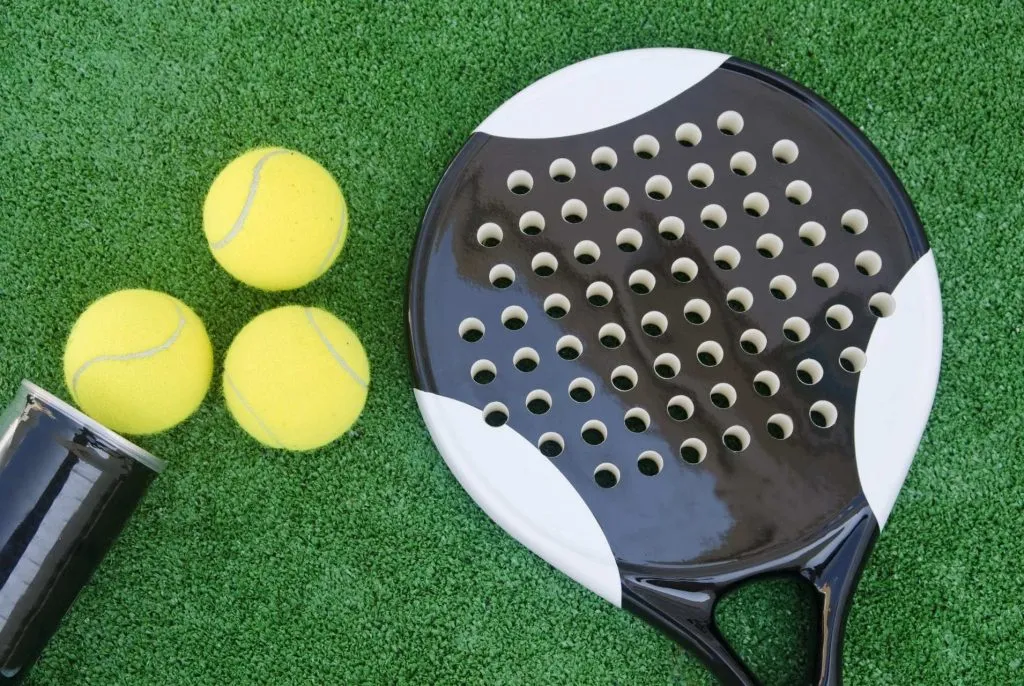
| Padel | Short pile, curled or fibrillated yarn, sand infill | Padel Grass: 11, 13 or 15 mm |
| Tennis | Short pile, chosen line colour | Tenisol Turf: 16–28 mm |
| Gardens and terraces | Soft monofilament, often with curled yarn, no infill | Landscape grass range; Lokisoft Grass: monofilament only, infill not required |
Which pile height and yarn should you choose?
Pile height is the length of the yarn above the backing. Longer piles hold more infill and give more cushioning for football. Shorter piles are firmer and faster, which suits ball sports on courts and areas with heavy foot traffic.
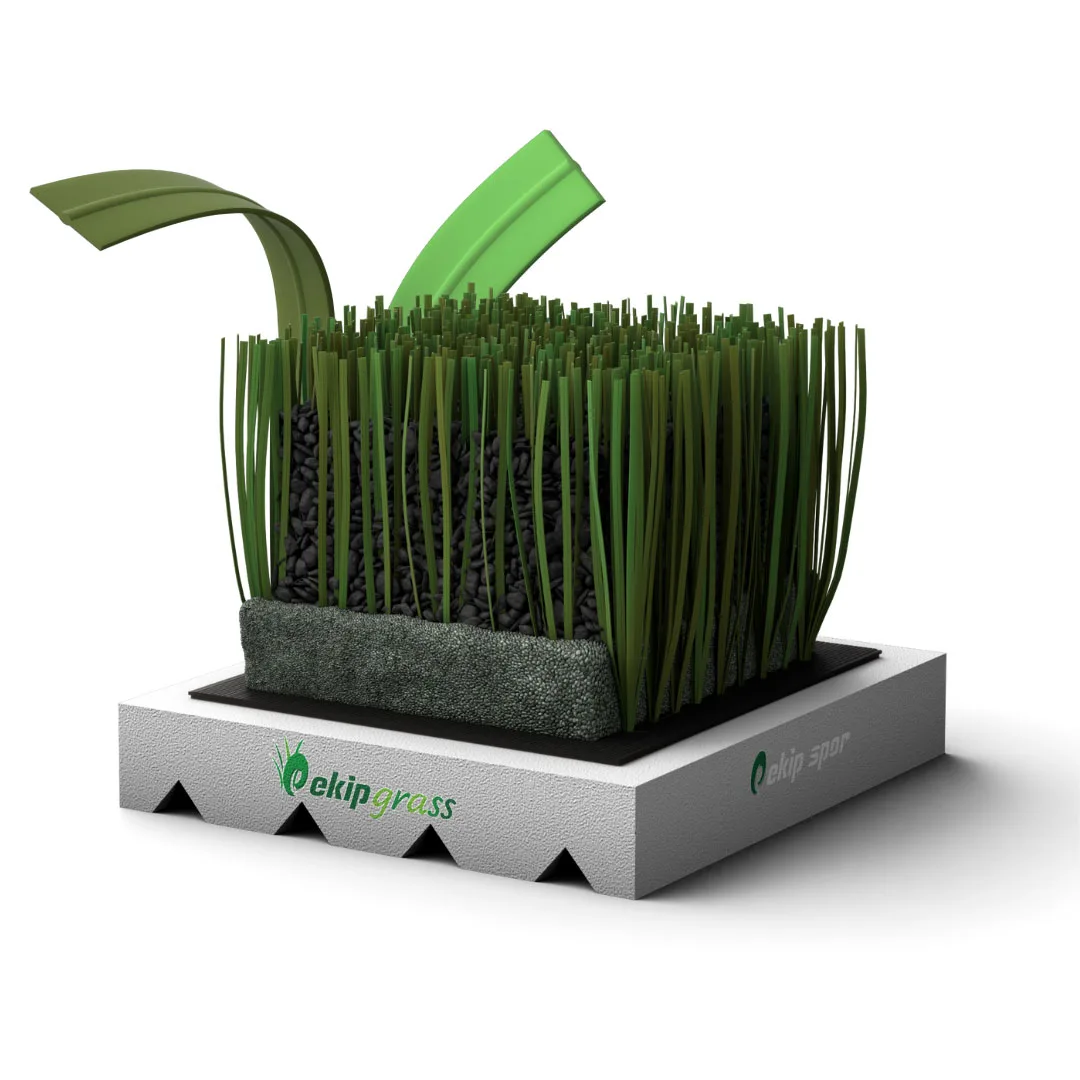
Yarn shape matters as much as length. Monofilament yarns are single strands with a shaped cross-section and look closest to grass. Fibrillated yarns are slit tapes that open into a net and hold sand well on courts. Curled or texturised yarns sit low in the pile and help the straight yarn stand up, which is why many landscape and non-infill products mix both.
Yarn weight is given in dtex, the grams per 10,000 metres of yarn. Compare dtex together with pile height and stitch density; a heavy yarn with few stitches can still give a thin carpet. Our guide on how artificial grass is made explains these terms.
Does it need infill?
Most long-pile football turf needs a layer of sand to weigh the carpet down and a performance infill, such as rubber granules or an organic material, for grip and shock absorption. Infilled surfaces need regular brushing and top-up.
Non-infill sports products and most landscape grasses use curled yarns to support the pile instead. They are easier to look after, but check with the supplier whether they suit the level of play you plan.
What documents should you ask for?
Ask for a technical data sheet that lists pile height, yarn type, dtex, filaments per tuft, stitch rate, backing and total weight. For sports surfaces, ask which standard the system has been tested to and by which laboratory, and ask for the test report.
For football competitions, check the competition rules first. Law 1 of the IFAB Laws of the Game states that artificial surfaces used in national-team and international club competition matches must meet the requirements of the FIFA Quality Programme for Football Turf, unless The IFAB grants an exception. Also ask for the manufacturer's management system certificates and the written warranty terms.
What affects the price of artificial grass?
The carpet is only part of the cost. Price depends on the yarn and pile construction, the area, the base and drainage work needed, any shock pad, the type and amount of infill, line marking, transport and installation. Field testing is an added item where a standard requires it.
Compare quotes on the same specification and the same scope of work. A low carpet price can hide a thin base, missing drainage or less infill, which affect how the surface plays and how long it stays in good condition.
How can Ekip Grass help?
Ekip Grass, made by Ekip Spor in Dilovası, Kocaeli, Türkiye, produces turf for football, multi-sport, tennis, padel and landscaping. Product data sheets can be requested with a quote, and the company's management system and product certificates are listed on the certificates page.

0 comments
Leave a comment
Your comment will be published after review.